Why African Safaris Remain One of the World’s Most Meaningful Travel Experiences
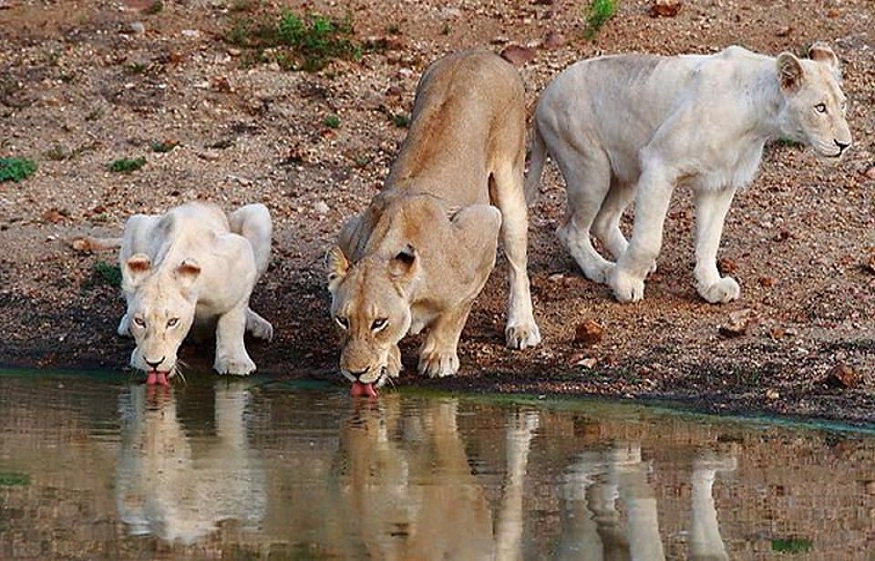
For travelers seeking more than just a holiday, African safaris offer an experience rooted in nature, conservation, and connection. Unlike fast-paced city breaks or resort-style escapes, safaris slow time down. They invite guests to observe wildlife in its natural environment and reconnect with landscapes that remain largely untouched by modern development.
Across Africa, safari destinations continue to attract travelers who value authenticity, exclusivity, and immersive encounters with the natural world. These journeys are not simply about seeing animals, but about understanding ecosystems, respecting wildlife, and experiencing places where nature still leads.
The Essence of the Safari Experience
At its core, a safari is about immersion. Days are shaped by the rhythms of the bush rather than schedules, with early morning game drives, quiet afternoons, and evenings spent listening to nocturnal sounds under vast African skies. Each sighting feels earned, unscripted, and deeply personal.
Safaris appeal to a wide range of travelers, from first-time visitors to seasoned explorers. What unites them is a desire for meaningful experiences that go beyond surface-level tourism. Seeing wildlife roam freely, rather than behind barriers, creates lasting emotional impact.
Why Location Matters in Safari Travel
The location of a safari plays a defining role in the quality of the experience. Private reserves and conservation areas often provide more intimate encounters, fewer vehicles, and a stronger emphasis on sustainability. These environments allow guides to track wildlife ethically while offering guests uninterrupted moments in nature.
One such region is the Timbavati, an area renowned for its biodiversity and commitment to conservation. Timbavati Safaris offer travelers the opportunity to explore a wilderness that borders major national parks while maintaining a sense of exclusivity and ecological balance. The region is particularly well known for its Big Five sightings and expansive, unspoiled landscapes.
Wildlife, Conservation, and Responsible Tourism
Modern safari travel increasingly emphasizes responsible tourism. Many lodges and reserves actively contribute to conservation efforts, community development, and wildlife protection. This ensures that tourism supports local ecosystems rather than exploiting them.
Guests benefit from knowledgeable guides who share insights into animal behavior, conservation challenges, and the delicate balance required to protect these environments. This educational aspect transforms safaris into learning experiences that foster respect for wildlife and natural habitats.
The Appeal of Exclusive Safari Camps
Accommodation plays an important role in shaping the safari experience. Boutique safari camps blend comfort with authenticity, offering refined spaces that remain closely connected to their surroundings. These camps are designed to enhance, not overshadow, the natural environment.
Staying in a camp located near iconic wildlife areas allows travelers to maximise time spent in nature. Camps positioned near Kruger National Park safaris provide access to one of Africa’s most celebrated conservation regions while maintaining privacy and immersion away from high-traffic tourist zones.
Safari Travel Beyond Wildlife Viewing
While game drives are central to safari travel, the experience extends beyond wildlife sightings. Walking safaris, cultural interactions, photography sessions, and moments of quiet reflection all contribute to a deeper understanding of the landscape.
Many travelers describe safaris as transformative. The simplicity of life in the bush, combined with close encounters with nature, encourages mindfulness and perspective. It is an experience that often reshapes how people view the natural world and their place within it.
Why Safaris Continue to Inspire Travelers
In an age of instant gratification and constant connectivity, safaris offer something increasingly rare: presence. Without distractions, guests engage fully with their surroundings, creating memories rooted in emotion rather than itineraries.
Safaris appeal to couples, families, solo travelers, and photographers alike because they deliver authenticity and depth. Each journey is unique, shaped by the land, the wildlife, and the people guiding the experience.
A Timeless Travel Experience
As global travel evolves, African safaris remain timeless. They offer adventure without excess, luxury without intrusion, and discovery without haste. For travelers seeking experiences that resonate long after the journey ends, safaris continue to stand apart as one of the most meaningful ways to explore the world.