Uganda vs. Rwanda Gorilla Trekking Comparison: Which Gorilla Trek Should You Choose?
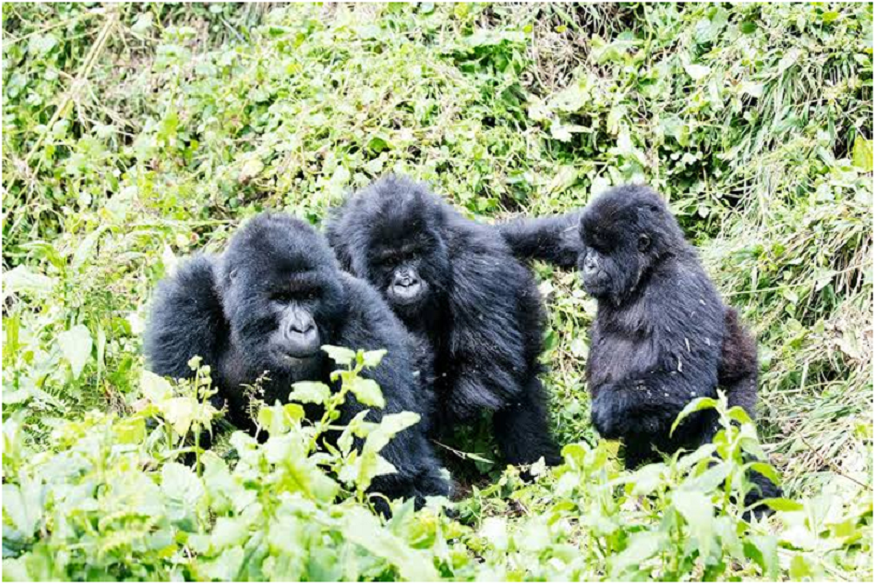
There’s a moment during a gorilla trek that nobody can really prepare you for — you push through a wall of vines, your legs are burning, and then suddenly you’re staring into the eyes of a 400-pound silverback who couldn’t care less that you exist. It’s humbling. It’s a little scary. And it’s the kind of experience that changes how you think about wilderness altogether.
If you’re planning this trip, you’ve probably already run into the big question that trips up almost every traveler: Uganda or Rwanda? Both countries sit in the same misty highlands, both protect endangered mountain gorillas, and both will hand you a memory you’ll be telling people about for the rest of your life. But the honest truth is that this Uganda vs. Rwanda gorilla trekking comparison isn’t about which country is “better” — it’s about which one fits how you like to travel.
Uganda leans into raw adventure. Uganda safaris and Uganda gorilla safaris offer you dense jungle, longer hikes, and a wilder, more untamed feel. Gorilla tours in Uganda tend to appeal to travelers who want the full safari package — gorillas, chimps, lions, and the Nile — all rolled into one trip. Rwanda, on the other hand, is polished, fast, and built for comfort, with shorter drives and five-star lodges tucked into volcanic hillsides.
In this guide, we’ll break down everything — cost, permits, terrain, wildlife extensions, best travel seasons, and who each destination is really suited for — so you can stop guessing and start booking the trip that actually matches you.
Uganda vs Rwanda Gorilla Trekking Comparison at a Glance
Quick Overview of Both Destinations
Uganda is home to roughly half of the world’s remaining mountain gorillas, spread across Bwindi Impenetrable National Park and the smaller Mgahinga Gorilla National Park in the country’s far south-west. Rwanda’s gorillas live in Volcanoes National Park, just a couple of hours’ drive from Kigali, tucked among the Virunga volcanoes it shares with Uganda and the Democratic Republic of Congo.
Trekking in Uganda usually means longer hikes through thicker forest — sometimes four to eight hours round trip — while Rwanda’s treks tend to be shorter and less physically demanding, partly because the terrain near the park entrance is gentler. Uganda suits travelers chasing an authentic, boots-in-the-mud wilderness experience and value for money. Rwanda suits those who want convenience and comfort and don’t mind paying more for it.
When comparing Uganda and Rwanda, travelers often rely on information from national park authorities, conservation organizations, and experienced regional safari operators that work across both destinations. Companies such as Forever Africa Safari, which organizes wildlife journeys throughout East Africa, commonly explain that the choice is rarely about finding a universally better destination. Instead, factors like budget, available travel time, preferred accommodation style, and interest in combining gorilla trekking with a broader safari usually have a greater influence on which country is the better fit.
| Factor | Uganda | Rwanda |
| Main Park | Bwindi Impenetrable NP | Volcanoes National Park |
| Permit Price | ~$800 | ~$1,500 |
| Trek Difficulty | Moderate to strenuous | Easier, shorter |
| Drive from the airport. | 6–9 hours (Entebbe) | 2–3 hours (Kigali) |
| Best For | Budget travelers, adventurers | Luxury travelers, first-timers wanting ease |
Gorilla Trekking Experience in Uganda
Trekking Through Ancient Rainforests
Bwindi is one of those places that lives up to its name — “impenetrable” isn’t marketing; it’s a warning. The forest is ancient, tangled, and steep in places, and that’s exactly why gorilla trekking in Uganda has such a loyal following among serious travelers. You’re not walking on a groomed path; you’re following guides who hack through undergrowth with machetes while tracking fresh dung and broken branches to find the family group.
Mgahinga, further south near the Virunga range, offers a quieter alternative with fewer visitors and the occasional golden monkey sighting thrown in. Both parks deliver longer hikes than what you’ll find in Rwanda, and that’s part of the appeal. Uganda gorilla tours are built around the idea that the journey matters just as much as the hour you spend with the gorillas at the end. It’s sweaty, occasionally muddy, and completely worth it. Travelers booking Uganda gorilla safaris often say the hike itself — the birdsong, the canopy blocking out the sky, and the sense of being genuinely lost in nature — is half the story.
What Makes Uganda Special?
Beyond the gorillas, Uganda is stupidly rich in biodiversity. Birders flock here for good reason — the country boasts over 1,000 recorded bird species, more than almost anywhere else on the continent. The landscapes shift from misty highlands to savannah to riverbanks within a few hours’ drive, which is rare.
Community tourism is also a big part of what makes Uganda safaris feel different. Many lodges near Bwindi are run in partnership with local Batwa communities, and visitors can join cultural walks or performances that put money directly back into the villages bordering the park. It’s not just about ticking gorillas off a bucket list — gorilla tours in Uganda often weave in genuine cultural exchange, which adds a layer most people don’t expect going in.
Gorilla Trekking Experience in Rwanda
Volcanoes National Park
Rwanda plays a completely different game. Volcanoes National Park sits just under two hours from Kigali International Airport, which means you can land in the morning and be trekking gorillas the next day without losing days to travel. The park itself is stunning — dramatic volcanic peaks draped in cloud forest, with far easier access roads than Uganda’s remote southwest.
Treks here tend to be shorter, and the terrain closer to park headquarters is less punishing. That doesn’t mean it’s a walk in the park (pun intended) — you’re still hiking at altitude — but compared to Bwindi, it’s noticeably more manageable for older travelers or anyone without much hiking experience.
Why Travellers Love Rwanda
Rwanda has invested heavily in tourism infrastructure over the past two decades, and it shows. Roads are smoother, signage is clearer, and the drive from Kigali feels almost effortless compared to bumping along Uganda’s rural routes. Luxury lodges like Bisate and One&Only Gorilla’s Nest have turned the area into a genuine high-end travel destination, complete with spa treatments and volcano-view dining.
For travelers who want the gorilla encounter without sacrificing comfort, Rwanda simply delivers a smoother ride from start to finish.
Uganda vs Rwanda Gorilla Trekking Comparison: Key Differences
Trek Difficulty
Uganda’s treks vary wildly depending on where the gorilla family has moved that day — sometimes it’s a gentle 90-minute walk; other times it’s a six-hour slog up muddy slopes. Rwanda’s hikes are generally shorter and better marked, though altitude (parts of Volcanoes NP sit above 8,000 feet) can still leave you breathless.
Gorilla Trekking Permit Prices
This is often the deciding factor. A Uganda gorilla trekking permit currently runs around $800, while Rwanda’s permit costs roughly $1,500 — almost double. For budget-conscious travelers, that gap alone often settles the debate. Rwanda’s higher price reflects its premium positioning and funds significant conservation and community programs, but Uganda simply offers more trekking for less money.
Accessibility
Flying into Kigali is straightforward, with a short, paved drive to Volcanoes National Park. Flying into Entebbe means a longer overland journey — often six to nine hours by road, or a scenic but pricier domestic flight — to reach Bwindi. If you’re short on time, Rwanda wins here easily.
Accommodation Choices
Uganda spans the full range, from basic budget lodges to community campsites to increasingly polished mid-range and luxury options near Bwindi. Rwanda skews upmarket, with fewer bargain options but a stronger concentration of genuinely five-star properties.
Wildlife Beyond Gorillas
Uganda’s safari circuit is hard to beat. Queen Elizabeth National Park offers tree-climbing lions, Kibale Forest is one of the best places on earth for chimpanzee tracking, and Murchison Falls combines Nile River boat safaris with dramatic waterfalls and big game. Rwanda counters with Akagera National Park for Big Five safaris, Nyungwe Forest for canopy walks and chimps, and golden monkey trekking near the volcanoes — a smaller but still rewarding lineup.
Cost Comparison: Which Destination Offers Better Value?
When you tally permits, accommodation, transport, guiding fees, and meals, Uganda usually comes out significantly cheaper across the board – sometimes by 30–40% for a comparable multi-day trip. Uganda gorilla tours often bundle in extra parks and activities at a fraction of what similar add-ons cost in Rwanda, simply because domestic transport and lodging are less expensive overall. Because permit fees, accommodation standards, and transportation differ between the two countries, safari itineraries are rarely identical. Many East African travel specialists, including Forever Africa Safari, recommend comparing the overall travel experience instead of focusing only on permit prices, since logistics, wildlife extensions, and the number of travel days can have an even greater impact on the total cost of the journey.
Read More: Where the Mountains Call: Trekking ABC, Langtang, Manaslu & Everest:
That said, “better value” depends on what you’re optimizing for. If your priority is minimizing travel time and maximizing comfort, Rwanda’s higher price tag buys back convenience. If you’re chasing the most safari for your dollar, a well-planned gorilla tour Uganda itinerary is tough to beat.
Best Time to Visit Uganda and Rwanda for Gorilla Trekking
Dry Season
Both countries share two dry windows — roughly June to September and December to February. Trails are firmer, hiking is easier, and this is peak season for a reason: it’s simply more pleasant underfoot.
Rainy Season
Don’t write off the wetter months, though. Fewer crowds mean smaller group sizes on the trails, the forest turns an almost impossible shade of green, and photographers often prefer the moody light. Trails get slippery and gaiters become non-negotiable, but permits can sometimes be easier to secure last-minute.
Wildlife and Safari Opportunities Beyond Gorilla Trekking
Uganda Safari Extensions
Pairing gorilla trekking with a broader Big Five safari is where Uganda really shines. Chimpanzee tracking in Kibale, boat safaris along the Kazinga Channel, and game drives through Murchison Falls all combine well into a single trip. Many travellers building a Uganda safari itinerary spend a week or more moving between parks, and Uganda gorilla safaris pair naturally with this kind of extended circuit. It’s this range that keeps gorilla tours in Uganda so popular among repeat visitors to East Africa.
Rwanda Safari Extensions
Rwanda’s extensions are shorter but still worthwhile. Akagera offers a compact Big Five safari within a few hours of Kigali, Nyungwe Forest has excellent chimp tracking and a canopy walkway, and golden monkey treks near the volcanoes make for an easy half-day add-on. A Kigali city tour, including the Genocide Memorial, is also a common — and quite moving — stop before or after the trek.
Which Destination Is Better for Different Types of Travelers?
Best for Budget Travellers
Uganda wins comfortably. Cheaper permits, cheaper lodging, and more budget lodge options make it the practical choice if cost is a real constraint.
Best for Luxury Travellers
Rwanda’s polished lodges, shorter transit times, and premium service make it the natural fit for travelers who want a five-star wilderness experience without giving up any comfort.
Best for Adventure Seekers
Uganda’s longer, tougher hikes through genuinely wild terrain suit travelers who want the trek itself to be a challenge, not just a formality before the photo op.
Best for First-Time African Visitors
If it’s your first trip to the continent and you want an easier entry point, Rwanda’s short transfers and manageable logistics reduce a lot of the stress. That said, Uganda works fine for first-timers too, provided you’re comfortable with a longer, more rugged journey.
Essential Gorilla Trekking Tips Before You Go
Book your permits well in advance — both countries cap daily permits, and popular months sell out months ahead. Hire an experienced guide (this is mandatory in both countries anyway, but a good one makes a real difference). Pack waterproof clothing regardless of season, sturdy hiking boots you’ve already broken in, and a pair of gardening gloves for gripping stinging nettles and vines.
For camera gear, keep it simple — a single zoom lens beats juggling equipment on a muddy slope. And whichever park you choose, remember the etiquette: keep your voice low, maintain distance, and never use flash photography. Whether you end up going with gorilla trekking in Uganda or a Rwanda-based trip, the rules protecting these animals are non-negotiable, and for good reason — a Ugandan gorilla tour guide will remind you of this constantly, and they’re not exaggerating how fragile these encounters are. A well-planned gorilla tour Uganda itinerary always builds in a rest day before the trek, too, which helps more than people expect.
Is Uganda or Rwanda Better for Gorilla Trekking?
Honestly, there’s no universal winner here. Uganda offers better value, longer and more adventurous treks, and the ability to combine gorillas with an incredible range of other safari experiences. Rwanda offers luxury, convenience, and a far easier logistical path from arrival to trek.
Your decision should come down to what kind of trip you actually want. Tight on budget and want the fuller safari circuit? Go Uganda. Short on time and want maximum comfort? Go Rwanda. Neither choice is a wrong one.
Conclusion
At the end of the day, this whole Uganda vs. Rwanda gorilla trekking comparison boils down to matching the destination to your travel style rather than searching for some objective “best” option — because, honestly, both will leave you speechless in front of a silverback. Uganda gives you rugged jungle, longer treks, and a broader safari experience for less money. Rwanda gives you ease, luxury, and volcanic scenery within easy reach of Kigali. Either way, you’re signing up for one of the last truly wild wildlife encounters left on the planet.
So think about your budget, your fitness level, how much time you’ve got, and what kind of comfort you’re after before deciding which destination matches your travel style. Many travelers also compare sample itineraries from regional safari specialists, including Forever Africa Safari, to better understand how Uganda and Rwanda differ in terms of logistics, wildlife experiences, and overall trip planning before making a final decision. Whether you go with Uganda Safaris for the full adventure or lean towards Rwanda’s polished trails, the gorillas are waiting either way. If you’re ready to turn this into an actual itinerary, now’s the time to start reaching out to operators who run Uganda Gorilla Safaris and Gorilla Tours Uganda, get your permit dates locked in, and start counting down to the trip of a lifetime.