Manaslu Circuit Trek, Manaslu Tsum Valley Trek, Larke Pass Trek & Larke Peak Climbing: The Ultimate Himalayan Adventure Guide (2026)
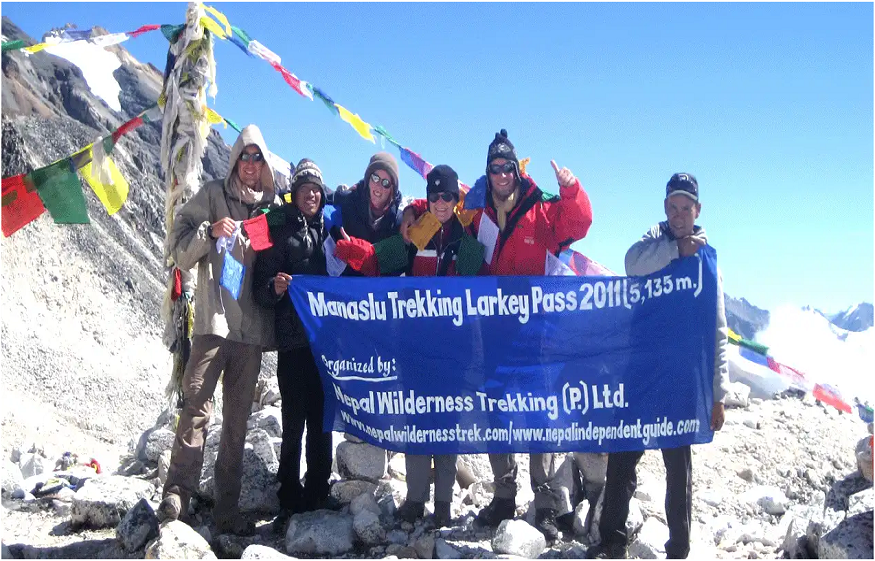
If you’ve already flipped through a dozen blogs about Everest Base Camp and the Annapurna Circuit and still feel like something’s missing, you’re not alone. A growing number of trekkers are quietly turning toward the Manaslu region, and honestly, it’s easy to see why once you look at what’s on offer. The Manaslu Circuit trek winds through river gorges and pine forests before climbing into stark, high-altitude terrain that rivals anything in the Khumbu. Add the Manaslu Tsum Valley trek for a detour into a valley that was closed to outsiders until the early 2000s, and you’ve got something genuinely different. Trekkers chasing a bigger challenge often tack on the Larke Pass trek, the circuit’s dramatic centerpiece, while a smaller crowd of mountaineers push further with Larke Peak climbing to stand on an actual summit rather than just a pass.
This guide walks through all four experiences — what they involve, when to go, what permits you’ll need, and who they’re realistically suited for — so you can figure out which combination fits your fitness, time, and sense of adventure.
Why the Manaslu Region Is One of Nepal’s Most Rewarding Trekking Destinations
Compare a normal October morning on the Everest trail to one on the Manaslu Circuit trek, and the difference is almost startling. Instead of queuing behind fifty other hikers at a viewpoint, you might pass three other trekkers all day. The trails here weave through terraced fields, past mani walls and chortens, and into villages where Tibetan Buddhism still shapes daily life rather than existing as a photo backdrop. Because the region only opened to foreign trekkers in the early 1990s, the culture along the trail feels lived-in rather than curated for tourism. You’ll walk through a subtropical forest one day and stand beneath glaciers a few days later — the ecological range is honestly one of the most dramatic in Nepal. It’s not an easy trek, and that’s part of the appeal: it tends to attract people who actually want a physical and cultural challenge, not just a photogenic checklist.
Read More : Where the Mountains Call: Trekking ABC, Langtang, Manaslu & Everest:
Manaslu Circuit Trek – Nepal’s Best Alternative to Everest
The Manaslu Circuit trek usually starts from Soti Khola or Machha Khola, a bumpy but scenic drive from Kathmandu, and finishes either at Dharapani or Besisahar after crossing into the Annapurna region. What makes this route so satisfying is how much it changes day to day. Early stages hug the Budhi Gandaki River, crossing suspension bridges strung impossibly high over the gorge, while later days bring you past centuries-old monasteries and into Gurung and Tibetan villages where yak caravans still move goods between settlements. Most Manaslu trekking itineraries run 14 to 18 days depending on acclimatization stops and whether Tsum Valley is included.
You’ll stay in tea houses the entire way, simple but increasingly comfortable as more lodges get built along the route. Wildlife sightings aren’t guaranteed, but blue sheep, Himalayan tahr, and occasionally snow leopard tracks turn up in the upper valleys. And then there’s Manaslu itself — the eighth-highest mountain on earth — appearing and disappearing behind ridgelines until it finally dominates the skyline near Samagaon. If you’re searching for a trek in the Manaslu Circuit Trek Nepal style that still delivers big mountain payoff without the Everest-level foot traffic, this is probably it.
Manaslu Tsum Valley Trek – Discover Nepal’s Hidden Buddhist Kingdom
Tuck off the main circuit near Lokpa, and you’ll find yourself heading into the Tsum Valley, sometimes called the “Hidden Valley” for good reason — it was sealed off from outside visitors for generations and only opened for trekking permits in 2008. The Manaslu Tsum Valley trek feels like stepping backward in time. Villages like Chhokangparo and Mu Gompa sit at the edge of the Tibetan plateau, and the Buddhist influence here runs deep, with nuns and monks still living in centuries-old gompas carved into cliffside rock. Locals here follow customs closer to Tibetan tradition than lowland Nepali culture, and the pace of life is slow in a way that’s genuinely restorative if you let it be.
Adding Tsum Valley extends your total trip by roughly a week, but it’s worth it if you’re not in a rush. The scenery swings between dramatic canyon walls and wide, quiet pastures ringed by snow peaks. Tsum Valley trekking also tends to attract a slightly different crowd than the main circuit — more photographers, more people interested in Buddhist philosophy, and fewer trekkers just ticking off a pass. If authenticity matters more to you than efficiency, this detour earns its place on the itinerary.
Crossing the Famous Larke Pass Trek
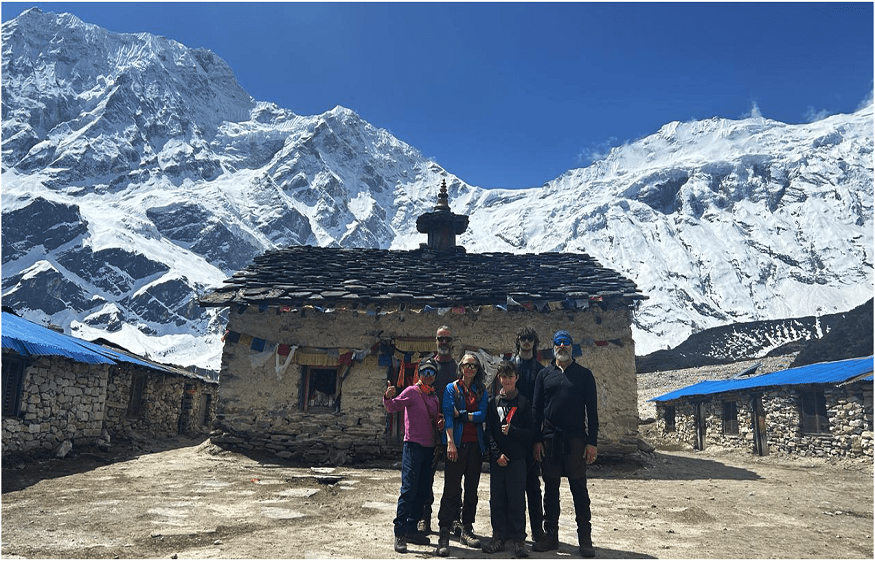
Every Manaslu itinerary eventually funnels toward its biggest physical test: the Larke Pass trek. Sitting at 5,106 meters, Larke La Pass is crossed in one long, cold push, usually starting well before sunrise from Dharamsala (also called Larke Phedi) to avoid the afternoon winds that pick up on the far side. It’s a demanding day — six to nine hours of walking over rocky moraine and snowfields, often in sub-zero temperatures at the start.
But it’s also the day most trekkers talk about for years afterward. Watching the sun hit the surrounding peaks — Manaslu, Himlung, Cheo Himal — while you’re still catching your breath at altitude is something photos never quite capture properly. Weather can turn quickly up there, so guides watch conditions closely and won’t hesitate to delay a crossing if visibility or snow load looks risky. Proper acclimatization in the days leading up to it matters enormously; this isn’t a pass to rush. Among Nepal’s high pass trekking routes, Larke La sits comfortably alongside Thorong La and Cho La in terms of both difficulty and reward.
Larke Peak Climbing – Add a Himalayan Summit to Your Adventure
For trekkers who finish the pass and think, “okay, but what if I actually stood on a summit” — that’s where Larke Peak climbing comes in. Larke Peak (sometimes listed as Larkya Peak) is classified as a trekking peak, but don’t let that term fool you into thinking it’s casual. It involves glacier travel, use of fixed ropes, crampons, and an ice axe, plus a level of physical conditioning well beyond standard trekking. You’ll need a climbing permit issued through the Nepal Mountaineering Association, a certified climbing guide, and gear that goes beyond your typical trek packing list — harness, helmet, ascender, and appropriate mountaineering boots among them.
The best climbing windows line up with spring and autumn, when snow conditions are more stable and weather windows are more predictable. Summit day rewards you with sweeping views across the Manaslu massif and into the Annapurna range — genuinely one of the more underrated panoramas in Nepal. This climb suits trekkers with prior high-altitude experience or basic mountaineering training; it’s not the place to learn crampon technique for the first time.
Best Time for the Manaslu Circuit Trek and Larke Peak Climbing
Spring Season (March–May)
Spring brings rhododendron forests bursting into red and pink lower down the trail, along with generally stable weather patterns that make it a solid window for both trekking and Larke Peak climbing. Days are warmer, and visibility tends to be reliable through mid-morning.
Autumn Season (September–November)
This is peak season for a reason — skies are typically at their clearest, and mountain views along the whole route, especially near Larke Pass, are about as good as they get. Trails are also drier and easier underfoot.
Winter brings brutal cold and a real risk of the pass closing under snow, while monsoon season turns lower trails muddy and obscures mountain views with cloud cover almost daily. For the best time for Manaslu Circuit Trek planning, stick to spring or autumn unless you have a very specific reason not to.
Permits, Difficulty Level, and Essential Trek Planning Tips
Because Manaslu is a restricted region, the Manaslu Circuit Trek permits work differently than open routes like Annapurna. You’ll need a Restricted Area Permit (which legally requires trekking with a licensed guide — solo permits aren’t issued here), a Manaslu Conservation Area Permit, and, since most routes exit through Annapurna, an Annapurna Conservation Area Permit as well. Tsum Valley requires its own separate restricted area permit on top of these.
Difficulty-wise, expect long trekking days, several nights above 3,500 meters, and one high-altitude pass crossing that demands solid fitness. Altitude sickness is a real risk, so proper acclimatization days aren’t optional extras — build them into your schedule. Comprehensive travel insurance covering high-altitude trekking and emergency evacuation is essential, not just recommended. Pack in layers, bring a good sleeping bag rated well below freezing, and don’t skimp on quality trekking boots.
Accommodation, Food, and Local Culture Along the Trail
Tea houses along the route range from basic to surprisingly cozy, with private rooms becoming more common in lower villages and shared or simpler setups higher up. Meals center around dal bhat — and honestly, the endless refills are a lifesaver after a long day — alongside Tibetan bread, momos, and hearty noodle soups. Hospitality feels genuine rather than transactional; many lodge owners will happily chat over tea about life in the valley. Wi-Fi and charging are available in most tea houses for a small fee, though don’t expect a strong signal past Samagaon. Bottled water gives way to treated or boiled water higher up, which is both cheaper and better for the environment. This is classic tea house trek Nepal territory — comfortable enough, rustic enough, and never overly commercial.
Is the Manaslu Region Right for You?
If you’re an adventure seeker who wants big mountains without big crowds, this region delivers. Experienced hikers looking for a proper physical challenge will find it in the Manaslu Circuit trek, while those craving deeper cultural immersion should lean into the Manaslu Tsum Valley trek. Photographers and nature lovers get rewarded at nearly every turn, and cultural travelers interested in Buddhist history will find Tsum Valley particularly moving. The Larke Pass trek suits anyone with solid fitness and prior high-altitude experience, while Larke Peak climbing is really for those who already have some mountaineering background and want to push further. Small groups tend to have the best experience here, since teahouse capacity is limited and the trails simply aren’t built for crowds.
Conclusion
Between remote villages, centuries-old monasteries, and mountain views that rival anything in Nepal, the Manaslu region has quietly become one of the country’s most rewarding trekking destinations. Whether you stick to the classic Manaslu Circuit trek, add the cultural depth of the Manaslu Tsum Valley trek, push through the physical test of the Larke Pass trek, or go a step further with Larke Peak climbing, you’re choosing an adventure that still feels wild and unscripted. Pick the itinerary that matches your fitness, timeline, and appetite for altitude; plan your permits early; and give yourself proper acclimatization time — the trail will take care of the rest.
People Also Ask
1. How difficult is the Manaslu Circuit trek?
It’s considered moderately to strictly difficult, with daily walking times of five to seven hours and several nights spent above 3,500 meters. Good baseline fitness, prior hiking experience, and realistic altitude expectations matter more than technical skill — most healthy trekkers with some hill-walking background can manage it with proper acclimatization.
2. What is the best time to do the Manaslu Tsum Valley trek?
Spring (March to May) and autumn (September to November) offer the most stable weather, clearer mountain views, and drier trail conditions. Both seasons avoid the heavy snow of winter and the obscured visibility and slippery paths of monsoon season.
3. How high is Larke Pass, and is it safe to cross?
Larke La sits at 5,106 meters. It’s generally safe when crossed early in the morning before winds pick up, with proper acclimatization beforehand and a guide experienced in reading weather and snow conditions. Trekking it solo or without adequate altitude preparation isn’t advisable.
4. Can beginners attempt Larke Peak climbing?
Not really — Larke Peak requires basic mountaineering skills including glacier travel, use of crampons and an ice axe, and comfort on fixed ropes. It’s better suited to trekkers with some prior high-altitude or climbing experience, guided by a certified mountaineering leader.
Read More : A Sherpa’s Insight into Trekking the Everest Three High Passes
5. What permits are required for the Manaslu Circuit trek?
You’ll need a Restricted Area Permit, a Manaslu Conservation Area Permit, and an Annapurna Conservation Area Permit if exiting through that region, plus a separate permit if adding Tsum Valley. A licensed guide is mandatory for the restricted area permit, which also helps regulate tourism impact and support local livelihoods.